- Category
- Temple, seaside shrine
- Nearest areas
- Mumbai Central, Tardeo, Girgaon
- From the centre
- 5.1 km straight-line
- Busiest period
- Navratri, each autumn
A shrine beside the sea
Mahalaxmi Temple stands on Bhulabhai Desai Road, near the foot of Malabar Hill, with the Arabian Sea close beside it. It is a temple to three goddesses, Mahalakshmi, Mahakali and Mahasaraswati, honoured together in one shrine. The neighbourhood around it carries the temple's name. The sea-facing position gives a visit a character different from the city's inland temples: salt air, gulls, and the sound of water under the chanting. People come through the day with flowers and prayers, and the queue moves steadily.
The shrine is old, and its story runs alongside Mumbai's own. Like many coastal temples in the city, it has been repaired, extended and repainted many times, so what stands today is a record of use rather than a single date. The temple's notice boards and the priests on duty are the people to ask about its fabric and its festival calendar. Its certain distinction is position: a goddess temple at the water's edge, in a city whose older shrines grew along the shore.
What to see at the shrine
A visit follows a simple line: the entrance from the road, the courtyard where footwear comes off, the queue, and the darshan itself, when you stand for a moment before the three goddesses. Around this core are smaller shrines and alcoves, brass lamps, bells, and the tables where flowers and offerings are sold. The architecture is modest rather than grand, and that is part of its character: this is a working temple, used daily by people who live nearby.
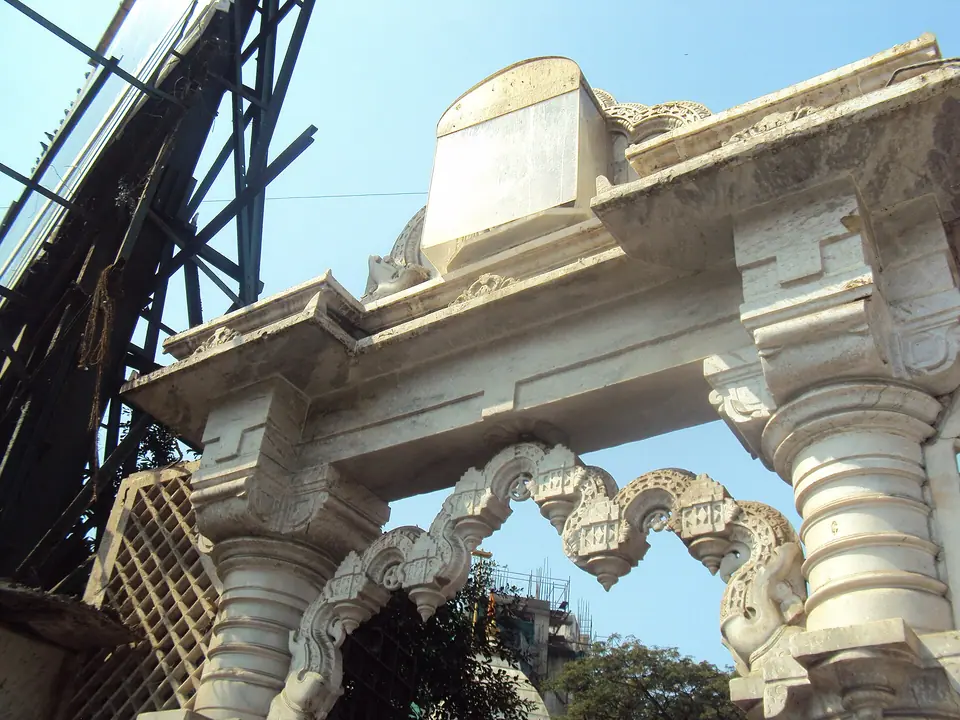
Look up as well as forward. The lamps, the doorways and the way offerings are arranged repay a slow minute before you join the queue. Outside, the sea is the second sight of the visit: light off the water, gulls, and the shift from glare to shade as the day turns. Many visitors stand a while on the road afterwards, watching the tide before walking north towards Haji Ali or inland towards Girgaon.
- The sanctum, where Mahalakshmi, Mahakali and Mahasaraswati are honoured together, is the focus of every visit.
- Smaller shrines and alcoves around the main courtyard reward a slow walk before you queue.
- Flower and offering stalls by the entrance show the everyday commerce of a working temple.
- The seaward setting shapes the light and air of the courtyard; pause before you leave.
How to get there
The temple is on Bhulabhai Desai Road, on the western shore of the island city, with the sea on one side and the slope of Malabar Hill on the other. It is about 1.4 km from the Mumbai Central and Tardeo areas and about 2.2 km from Girgaon and Grant Road, and roughly 5.1 km from the centre of Mumbai in a straight line. Most visitors arrive by road, or by train and then a short cab ride.
Mahalaxmi station on the Western line is the closest rail stop, a short walk or cab ride from the temple, and Churchgate and Mumbai Central are on the same line. Black-and-yellow taxis and app-based cabs serve this part of the city; autorickshaws do not operate in the island city south of Bandra and Sion. Roads along the shore slow sharply at peak hours and in the monsoon. Check the current network and timings before setting out.
When to go and how long
Navratri, in September or October, is the temple's busiest period: nine nights of worship, when the Mahalaxmi and Mumba Devi temples draw long queues and the roads around them fill. Outside the festival, mornings and the hour before the temple closes are usually calmer, though the daily rhythm of prayer shapes the day. Festivals move with the Hindu calendar each year, so check the current dates with Maharashtra Tourism or the temple office before you plan around them.
Allow a short visit at ordinary times: the queue, the darshan and a few minutes in the courtyard do not need a large part of the day, though a slow visitor will want longer. During Navratri, allow much more, since queues build and the temple stays busy into the evening. If the visit matters to you, come early in the day and keep the rest of the plan light. Check current timings, which vary by season.
Nearby sights and where to stay
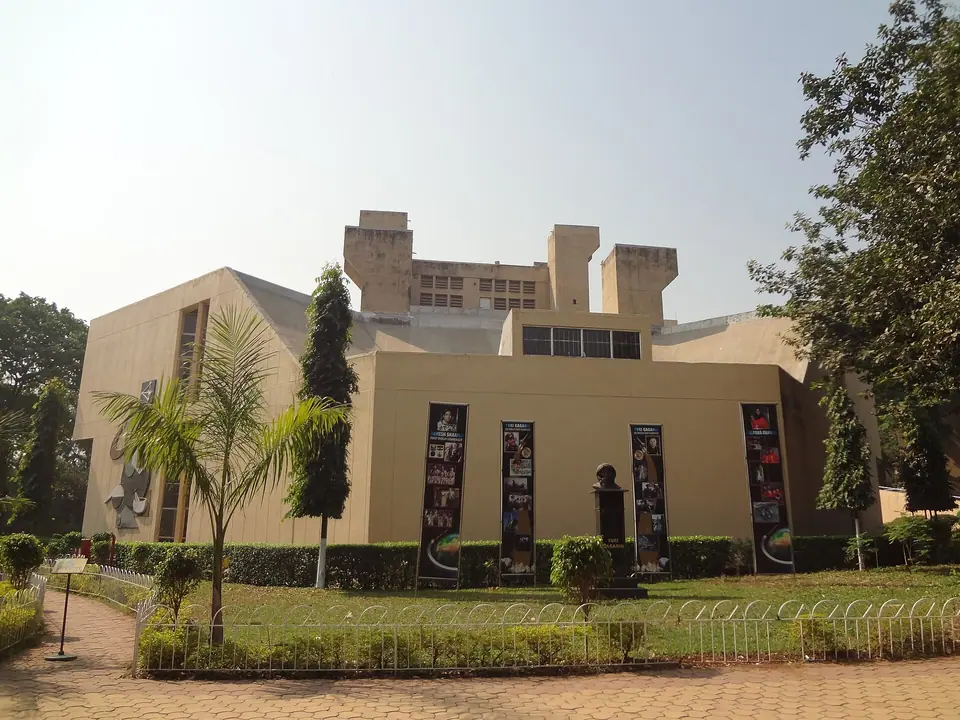
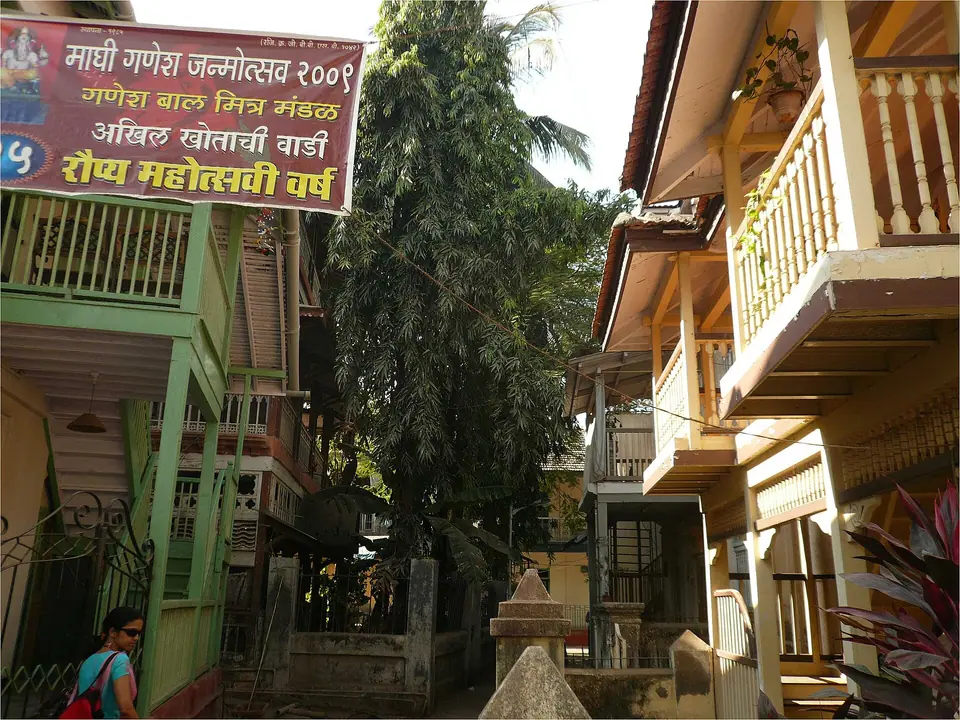
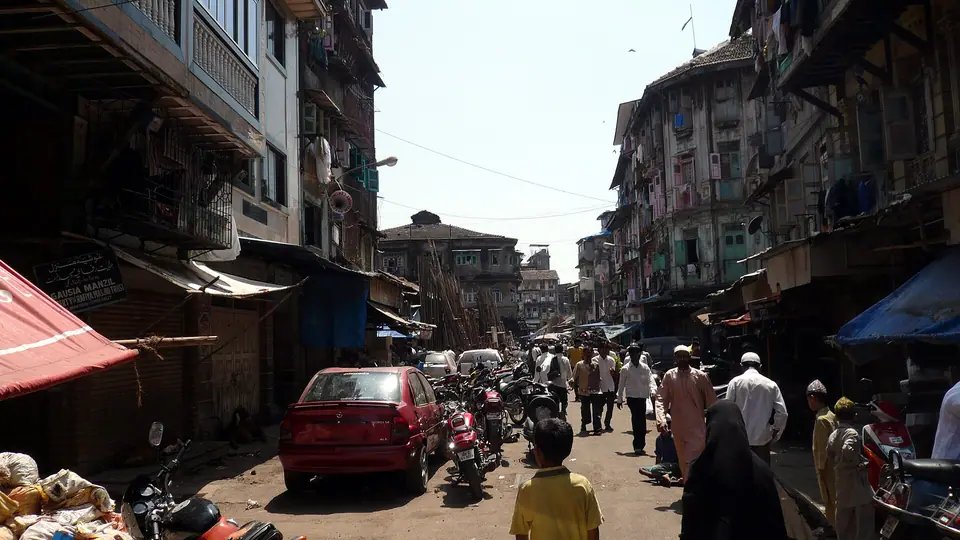
The temple sits in a varied stretch of the island city. Haji Ali Dargah, on its islet off Worli and reached by a causeway at low tide, is a short ride north; the shrine dates from 1431. The Nehru Science Centre and the Nehru Planetarium are in Worli too. Inland, Girgaon Chowpatty and the older streets of Girgaon, Bhuleshwar and Khotachiwadi hold markets, Mumba Devi Temple and layers of 19th-century housing.
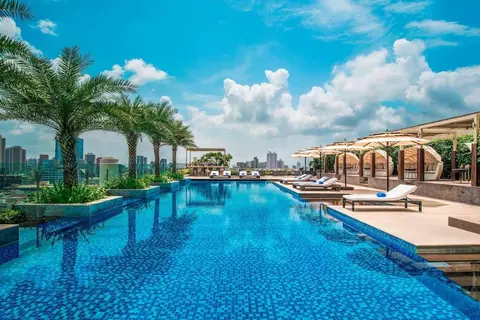
For a stay within walking distance, look at the Tardeo and Mumbai Central areas, the nearest to the temple, with Grant Road and Girgaon a little further inland on the same rail line. Worli lies north along the shore, and the Fort and Colaba areas are a longer ride south but put the main museums and the waterfront within reach. Book ahead in the dry season and around Navratri, when demand rises.
- Haji Ali Dargah, on its islet off Worli, is reached by a causeway at low tide.
- The Nehru Science Centre and Nehru Planetarium in Worli suit families and a rainy afternoon.
- Girgaon Chowpatty is a short ride away for an evening walk on the sand.
- Khotachiwadi in Girgaon is a heritage lane of wooden houses where residents live; visit quietly.
- Marine Drive and the Art Deco frontage of the western shore lie a little further south.
Practical tips for visitors
Dress modestly: shoulders and knees covered is the safe rule at Mumbai's temples, and a scarf helps. Footwear comes off before the courtyard, so wear something easy to slip off and carry a cloth bag for shoes. Walk and speak quietly, keep phones silent during prayer, and follow the queue rather than stepping aside for photographs. Offerings are available near the entrance; accept only what you intend to use.
Crowds are part of the experience and also the main practical concern: keep bags in front of you, agree cab fares or use the meter, and fix a meeting point if you are with a group. In the monsoon, heavy rain floods low-lying roads and slows the trains, so allow extra time. UPI phone payments are widely accepted, and cards in most places; carry some cash anyway.
Editorial review: 16 November 2026 · imptmumbai.in, written with AI assistance (see the editorial policy).