- Setting
- Hill node of Navi Mumbai
- From BOM
- About 21 km, straight line
- From NMI
- About 6 km
- Known for
- Central Park, caves, monsoon falls
How Kharghar took shape
Kharghar lies in Panvel taluka, on the raised ground between the Thane Creek belt and the first ridges of the Sahyadri foothills. For most of its history it was village country: paddy in the hollows, scrub and rock on the slopes, a few hamlets and cattle tracks. Navi Mumbai was planned from the 1970s as a new city across the harbour from Mumbai, and the planning body CIDCO laid Kharghar out as one of its later nodes, with sectors, wide roads and a green core.
The name carries a local story. Tradition links the hills to the Pandavas of the Mahabharata, said to have sheltered in the rock-cut chambers above the valley, and both the caves and the falls take the name Pandavkada from it. Today the node holds apartment blocks in ordered sectors, markets at the junctions and a large green core at its centre. Marathi and Hindi are the languages most heard in the markets, with English widely understood, and many families came here from Mumbai, Thane and the Konkan coast.
A first walk through Kharghar
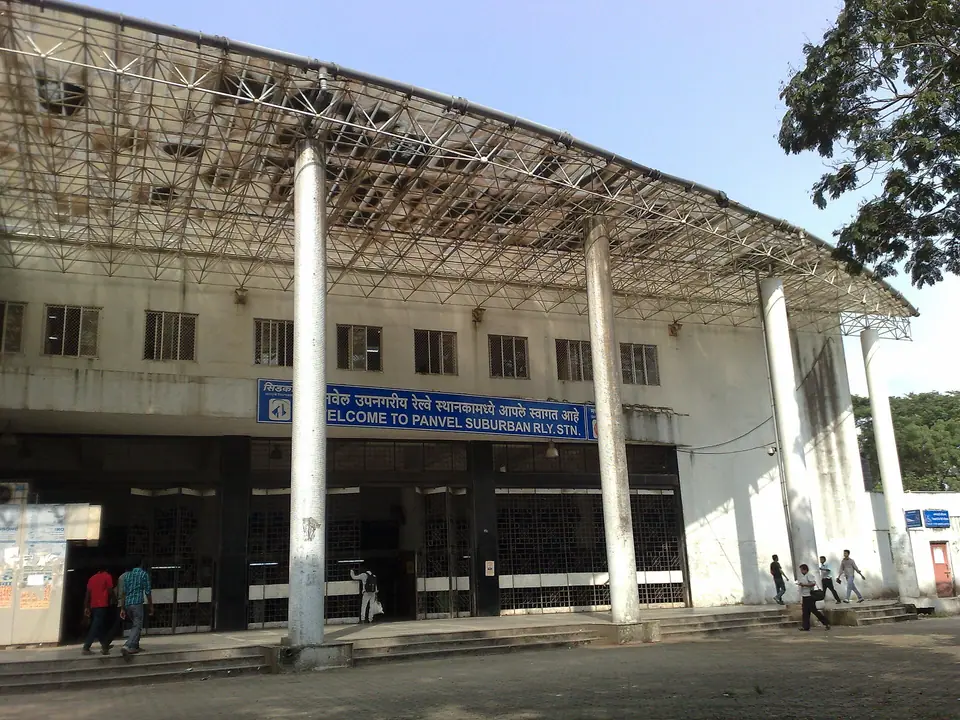
Start near the railway station, where the node feels most like a working town: shops at the sector junctions, tea stalls, buses turning, and autorickshaws waiting under the trees. From there, walk inland along the wide, tree-lined footpaths. Kharghar is laid out on a grid, so the numbered sectors make sense quickly. Set aside a morning rather than an hour, because the pleasure of the place is the space between the buildings, not any single sight.
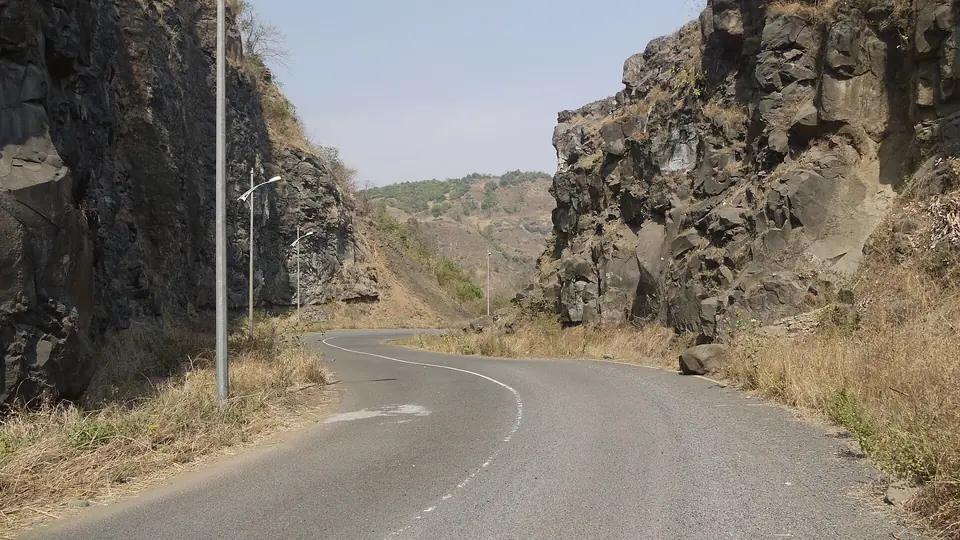
The second half of the walk loosens into open ground. Buildings thin out, plots turn to grass, and the hill line rises ahead with the park somewhere along its base. On a clear, cool morning the ridge sits sharply above the rooftops; in the monsoon the same slope is green and half lost in cloud. Walk as far as feels comfortable, then turn back through a different sector, ending at a market for tea and something hot.
What to see and do
Central Park is the node's centrepiece, a large landscaped ground of lawns, paths, water and shade, busy at dawn with walkers and again in the evening with families, cricket games and kites. Beyond it, the hill edge is where Kharghar becomes interesting for visitors. Pandavkada falls runs with the monsoon and dries to bare rock afterwards. The Pandava caves, rock-cut chambers in the hillside above, are reached on foot, and access to the upper slopes changes with the season and with local rules.
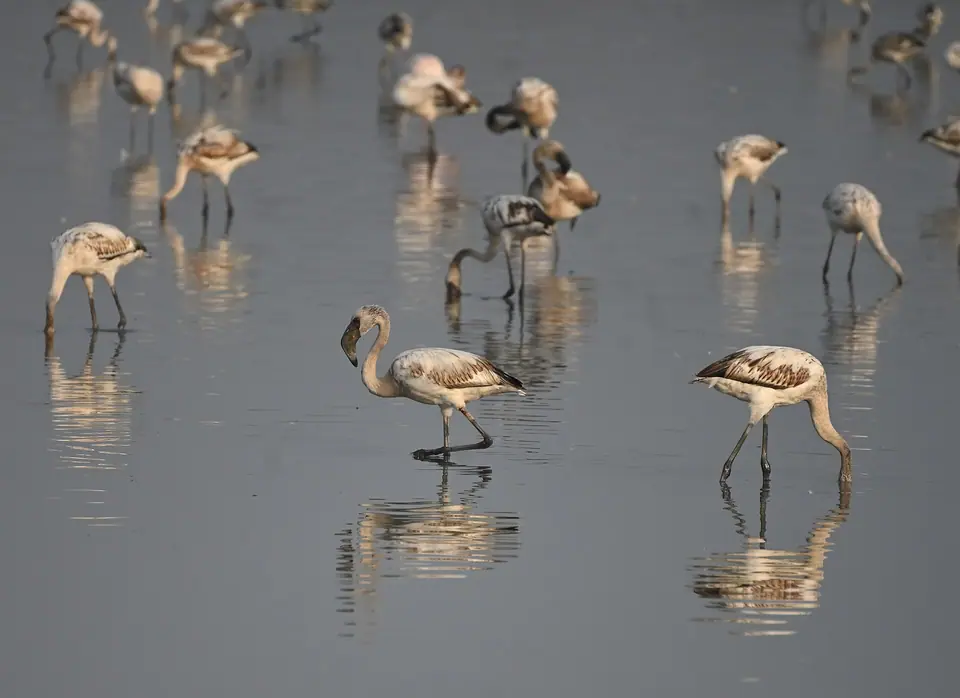
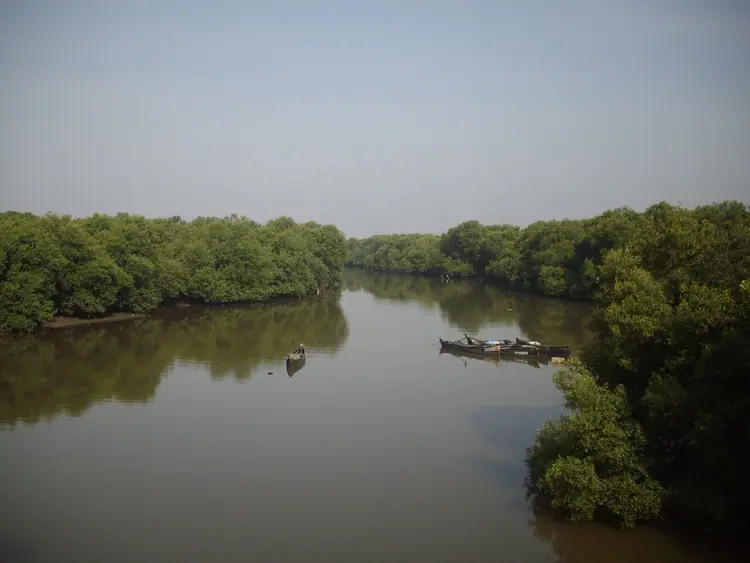
Children do well here because the open space is real: lawns for running, quiet sector roads for cycling in the evening, and the small adventure of a hill path close to the city. Keep the falls for looking, not for swimming, since the rocks are slippery, the pool is not safe and the flow turns fast after heavy rain. In the wider city, the mudflats of Thane Creek draw flamingos roughly November to May, and the waterfront road along the creek in Nerul and Belapur is a good evening drive.
- Central Park: lawns, paths and shade; a place for a slow morning or an evening picnic.
- Pandavkada falls: monsoon water in the hills, dry rock for the rest of the year.
- Pandava caves: rock-cut chambers above the valley, reached on foot; check access locally.
- Kharghar hills: early walks on the lower slopes, with the city below and the creek beyond.
- Thane Creek flamingos: looked for between November and May; check tides and viewing points first.
Eating in Kharghar
Eating in Kharghar is everyday food, and better for it. The sector markets run to the familiar street plates: vada pav, misal pav, pav bhaji, bhel and sev puri, dosa, kanda poha, kulfi and falooda. Around them are family restaurants with Maharashtrian thalis, puran poli on festival days, Malvani and Konkan seafood such as bombil, surmai, pomfret, prawns and tisrya, and Punjabi and Indo-Chinese menus that suit a table with children.
Among the kinds of places worth knowing are street counters and small stalls, busiest from evening; sit-down family restaurants in the sector markets; vegetarian thali places at lunchtime; and juice or falooda counters for the heat. East Indian and Parsi dishes turn up in the wider city rather than here, so treat Kharghar as a place for a good ordinary meal after a walk. Many kitchens close between lunch and dinner; check before you go.
Getting there and around
From Chhatrapati Shivaji Maharaj International Airport, Kharghar is about 21 km in a straight line, but the drive is longer: it crosses the city and then Thane Creek, at Vashi or Airoli, before turning south on the Sion-Panvel highway. Navi Mumbai International Airport, near Panvel, is about 6 km away as the crow flies and is adding routes, so check which airport your flight uses before arranging a pickup.
Kharghar station sits on the Harbour line between Belapur and Panvel, useful for CSMT and the island city, with long-distance trains from CSMT, Dadar, Mumbai Central, Bandra Terminus and Lokmanya Tilak Terminus at Kurla. Around the node, autorickshaws and app cabs do most of the work; autos are common in Navi Mumbai, unlike the island city south of Bandra and Sion. A metro line serves the node; check the current network and stations before relying on it.
- From BOM: about 21 km straight line; allow for traffic across the city and the creek.
- From NMI: about 6 km; check which airport your flight uses before booking a transfer.
- By train: Kharghar station on the Harbour line, between Belapur and Panvel; check the timetable.
- Around: autorickshaws, app cabs and the metro; check current routes and fares locally.
Practical tips and where to stay
November to February is the comfortable season, warm by day and cooler at night. March to May is hot and humid, and the monsoon from about June to September brings the falls, green hills and heavy rain that can flood low roads and slow the trains; check before you go. Walk the hills early, carry water, and keep to lower paths when the rock is wet. Card and UPI payments are common; carry some cash as a backup.
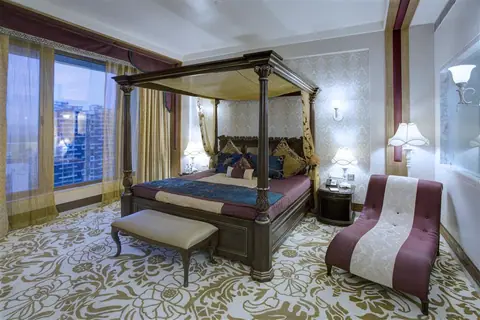
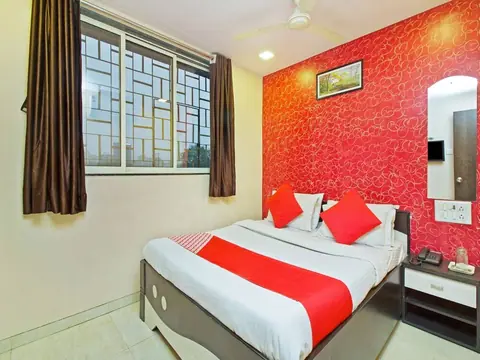
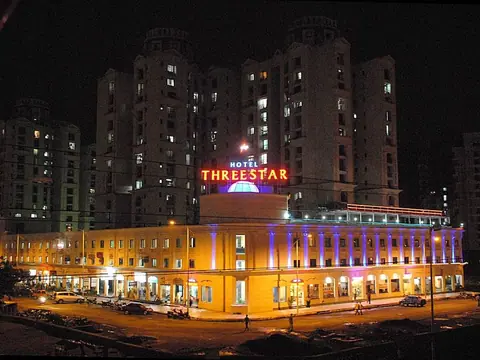
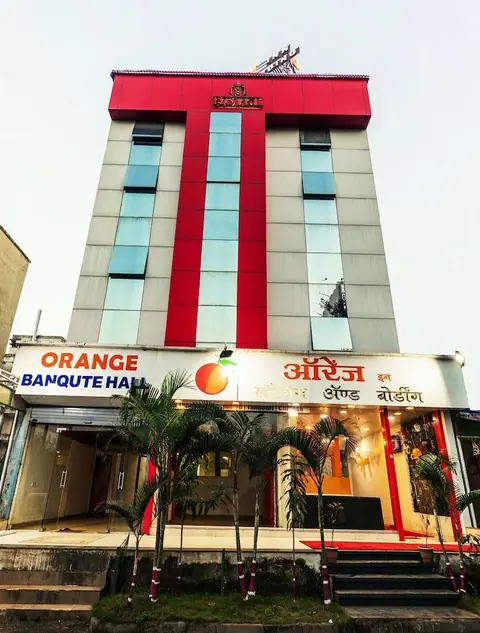
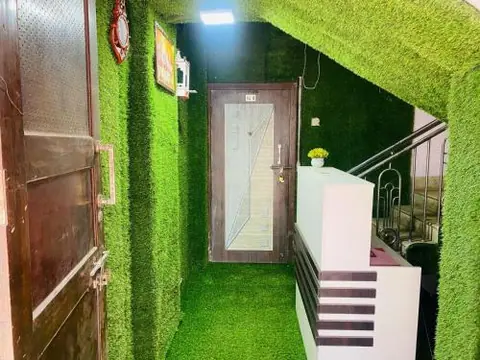
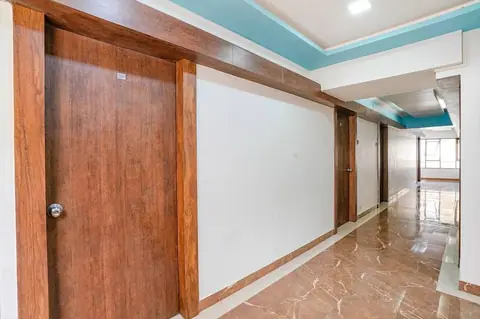
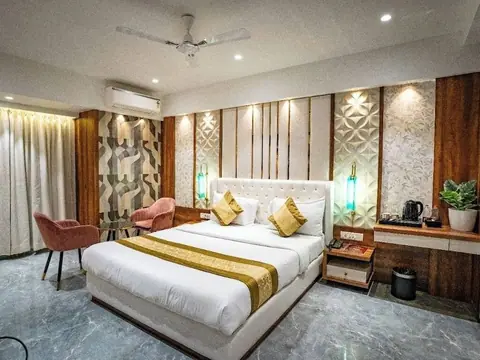
Stays in Kharghar are mostly small hotels, guest houses and serviced apartments rather than large resorts, and where you choose depends on the trip. Near the station suits anyone arriving by train or relying on autos. Near Central Park and the hill edge suits families and early walkers, with quiet evenings and green views. The highway side towards Panvel suits early flights from Navi Mumbai airport. Ask about transfers, check the road lighting at night and book ahead at festival weekends.
Editorial review: 16 November 2026 · imptmumbai.in, written with AI assistance (see the editorial policy).