- District
- Raigad, Navi Mumbai
- Old name
- Panvel or Panwell
- Known for
- Road and rail junction
- Nearest airport
- Navi Mumbai International, 4.2 km
Character and history
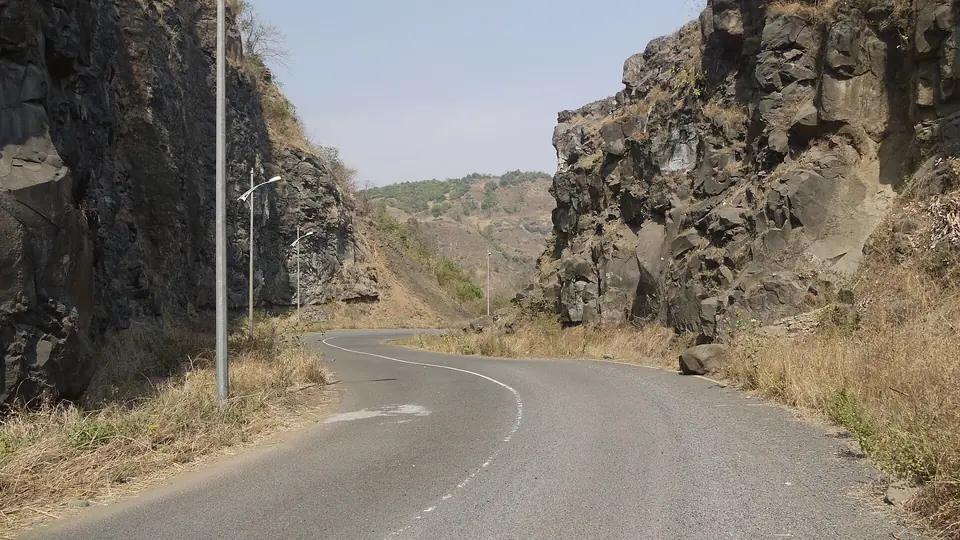
Panvel sits at the head of the harbour on the mainland side, where the Sahyadri foothills begin to flatten towards Thane Creek. For centuries it was a trading and transit town: goods and people moving between the coast and the Deccan came through here, and the old town grew around a market, a few temples and the road south. The name Panvel, sometimes written Panwell in older accounts, belongs to this stretch of the Konkan edge rather than to the island city.
The town's importance has always come from movement rather than monuments. The Pune road and the Goa road both pass through or near it, and the railway has long linked it to the island city, making Panvel a junction where the Harbour line and the longer routes meet. In the 1970s the planned city of Navi Mumbai began to rise on the land between Panvel and Thane Creek, and in 2025 the new airport at Navi Mumbai opened a few kilometres away, giving the town a fresh role on the mainland side.
A first walk through Panvel
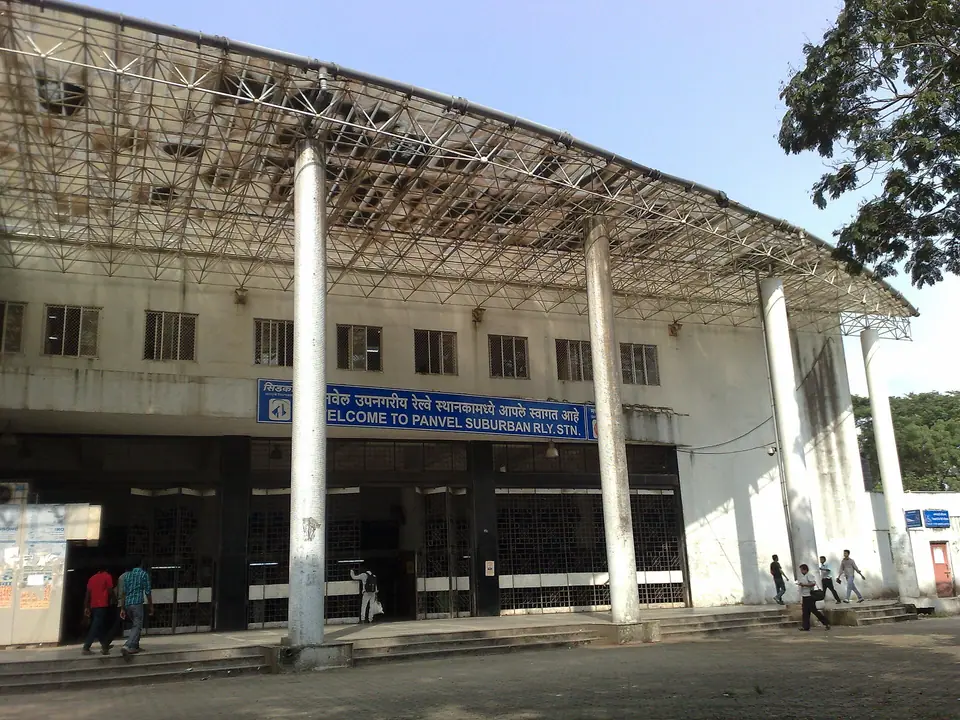
Start near the railway station and walk into the old town rather than along the highway. The streets behind the station are narrow and old, lined with low buildings, small shops and the occasional wooden balcony. This is where Panvel feels least like the planned city around it. Follow the crowds towards the main market and the older temple lanes, and you will pass vegetable sellers, flower stalls and shops stacked with steel vessels and festival goods.
The walk is short and unhurried, best done in the morning before the heat builds or in the evening when the market is at its busiest. Keep the route loose: the pleasure here is the ordinary street life of a Konkan market town, the smell of frying snacks, the sound of temple bells, the sight of traders loading goods for the road south. Nothing is set up for visitors, which is exactly the point.
- Walk the lanes behind the railway station in the morning, when the market is waking up.
- Look for the old houses with wooden balconies and tiled roofs in the back streets.
- Time a visit to a temple festival if you can, when the lanes fill with music.
- Carry water and use the shade; the afternoon heat is strong for much of the year.
- Keep to the pavement where there is one, and let the traffic pass before crossing.
What to see and do
The temples of the old town are the main thing to look at, small shrines and larger temples with carved doorways and painted pillars, busy with local worshippers rather than tourists. Around them the market is worth a slow hour: spices, dry fish, coconuts, festival decorations, hardware, and the kind of shops that sell everything for a household in one stop. If you are travelling with children, the crowds themselves are the attraction, and a cold drink or a plate of snacks will keep everyone going.
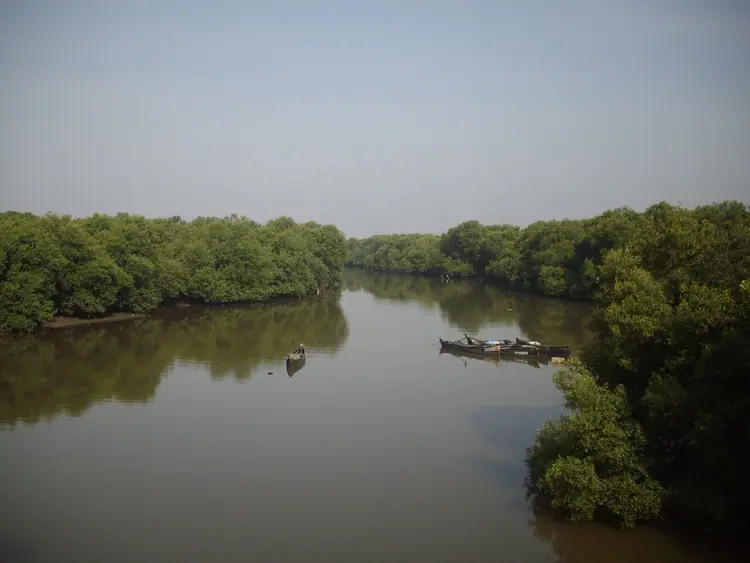
For something greener, the harbour edge and the low hills lie beyond the built-up area. Small boats cross the creek towards the Karanja shore, and the water, the mangroves and the mudflats give a sense of the landscape that the city has largely covered. Access to the waterfront and boat timings change with tides and season, so ask locally or check with the Maharashtra Tourism office before setting out. The Elephanta and Alibaug ferries leave from the Gateway of India on the island side.
Eating in Panvel
The food here is Konkan and Maharashtrian, cooked for people passing through. Expect vada pav and misal pav in the mornings, kanda poha, thalipeeth, sabudana khichdi on fasting days, and simple thali plates at lunch with rice, dal, a vegetable and chapati. Being close to the coast, fish and prawns appear in curries and fried plates, often with kokum sol kadhi to drink alongside. Bombil, surmai and pomfret turn up in the coastal kitchens, and tisrya (clams) are worth asking about.
The town's long-distance travellers shape the eating too: snack stalls near the station, sweet shops selling kulfi and falooda, and tea stalls doing cutting chai all day. Vegetarian food is easy to find, and Jain options are usually available if you ask. In the newer parts of Navi Mumbai around Panvel you will also find North Indian, Chinese and South Indian kitchens, and the larger cafes do a good breakfast. Wherever you eat, check that the water and ice come from a sealed source.
- Misal pav, a spicy sprouted-bean dish with bread, is a local breakfast standard.
- Kokum sol kadhi, a pink coconut and kokum drink, cools the mouth after a hot curry.
- Thalipeeth, a flatbread of mixed grain flour, is good with butter and curd.
- Seafood is best at lunch, when the day's catch is freshest.
Getting there and around
Panvel is well connected, which is the whole reason for its existence. It lies on the Harbour line of the suburban railway and on the Central Railway routes towards Pune and the Konkan, and trains from the island city run regularly, though the ride from the southern stations takes a while. Long-distance trains for Goa and the south often stop here, making Panvel a sensible place to break a journey. Check the current timetable with Indian Railways before planning a day around a particular train.
From Chhatrapati Shivaji Maharaj International Airport the straight-line distance is about 27.5 km, and the drive by road crosses the harbour and the planned city of Navi Mumbai. Navi Mumbai International Airport is only 4.2 km away, so the town sits close to both; check which airport your flight uses. Once in Panvel, autos and local buses cover the town and the road to the station; app cabs are available but less reliable outside the centre. Walking is the best way to see the old town.
Choosing where to stay
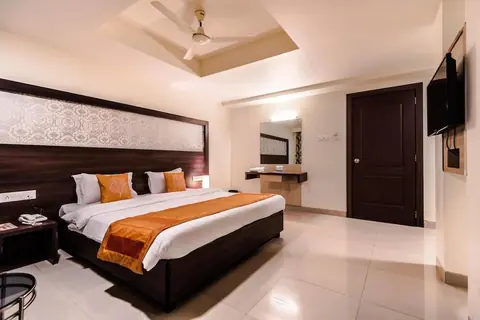
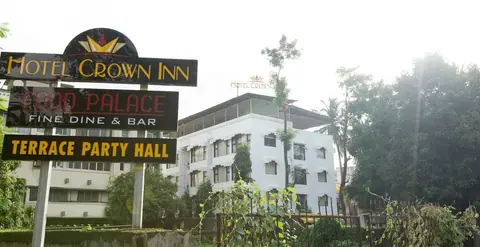
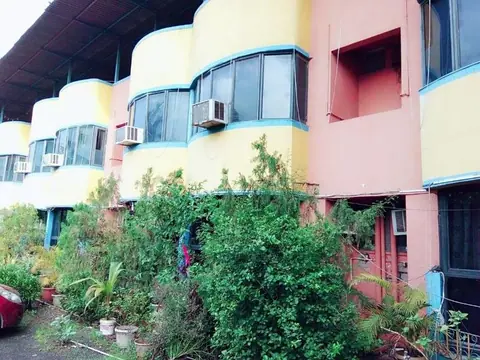
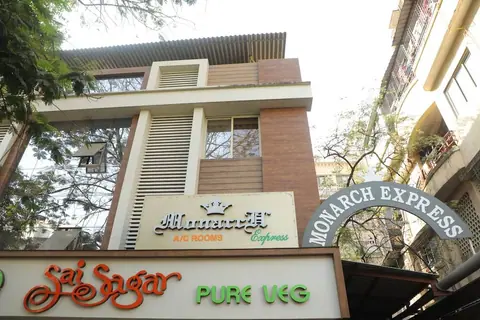
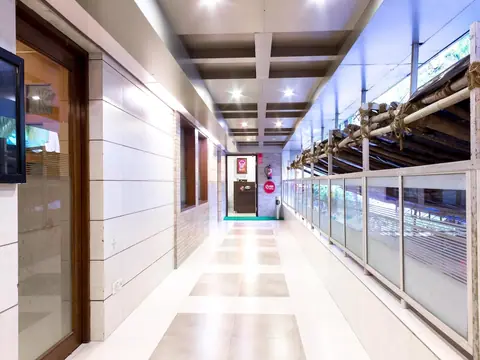
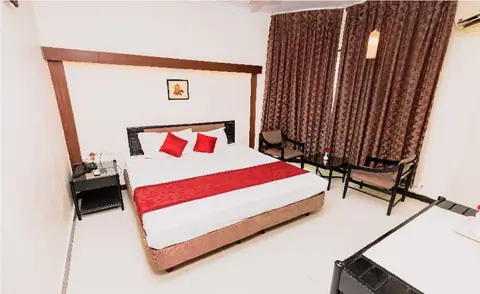
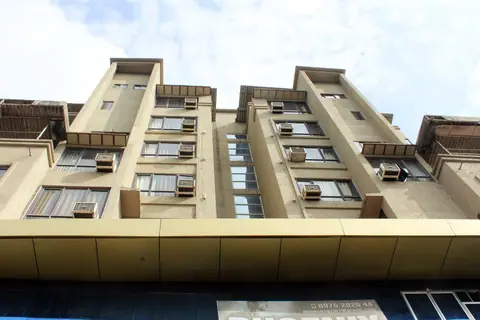
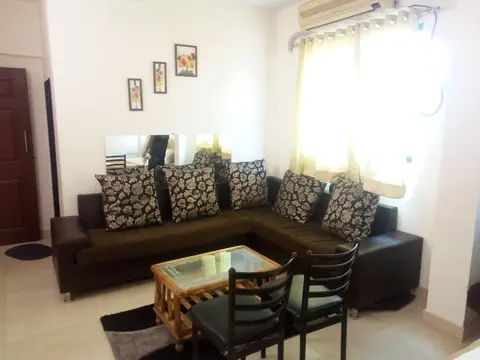
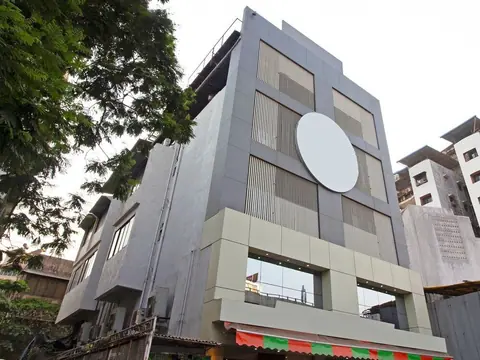
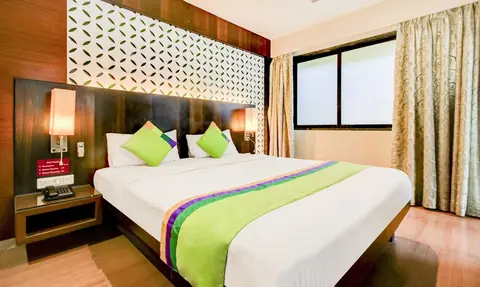
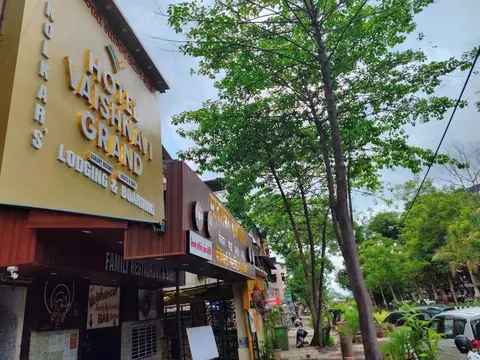
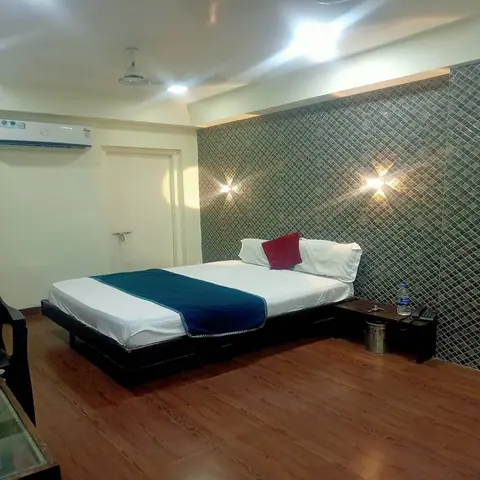
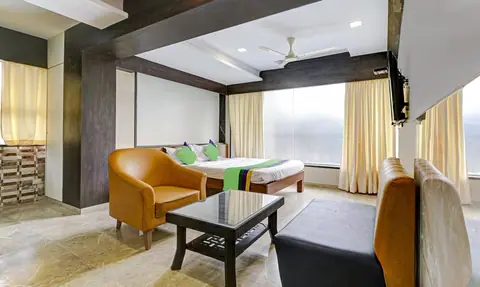
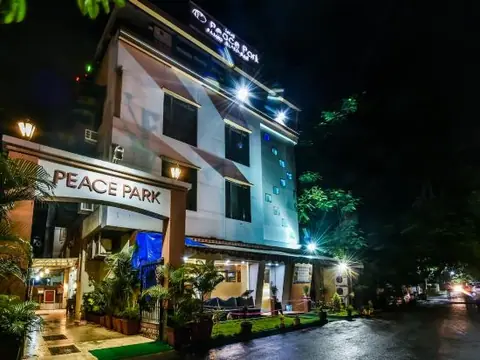
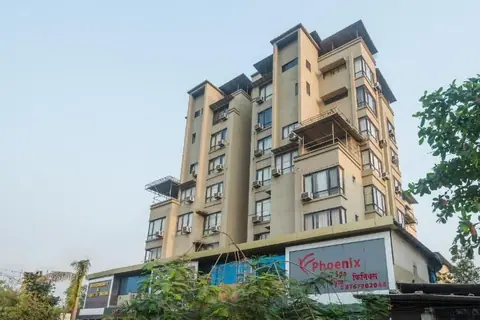
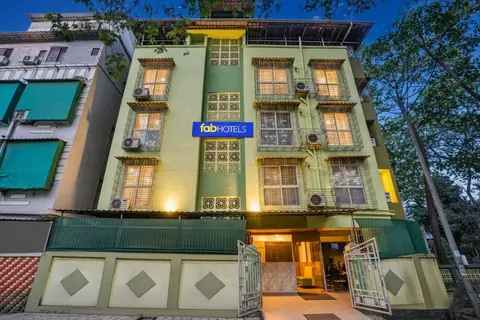
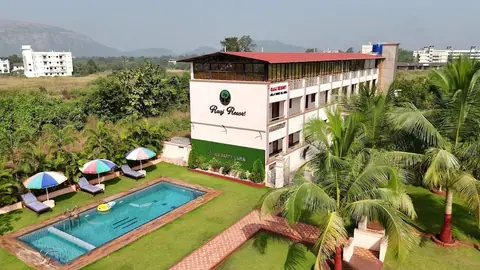
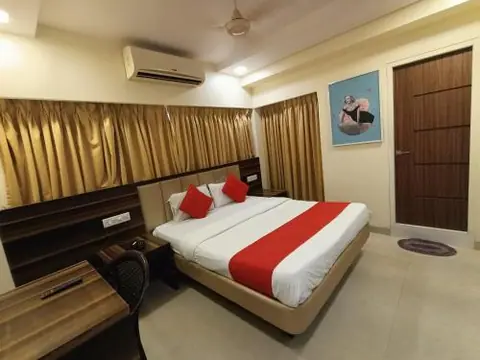
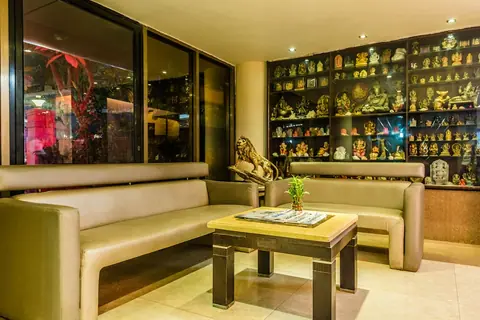
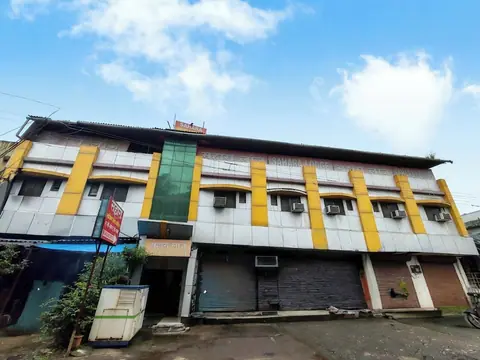
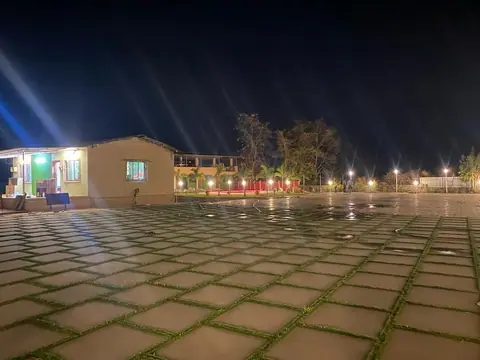
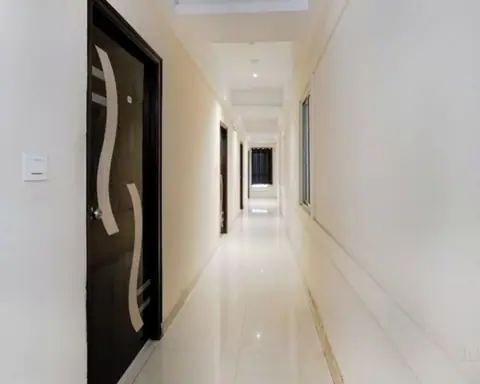
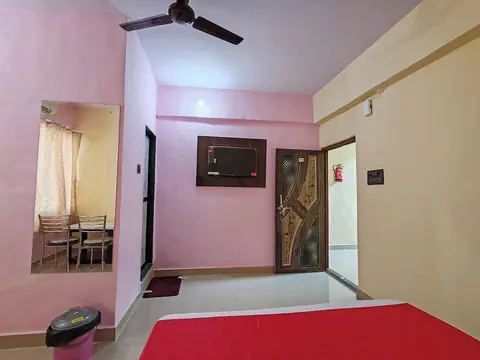
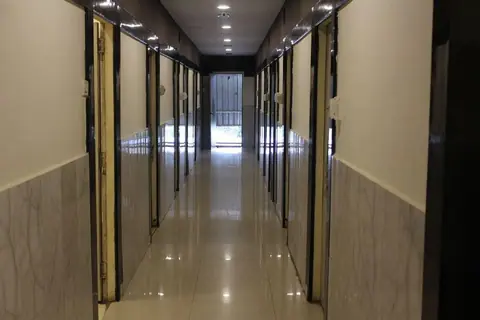
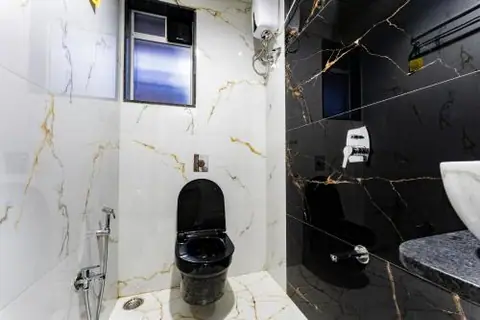
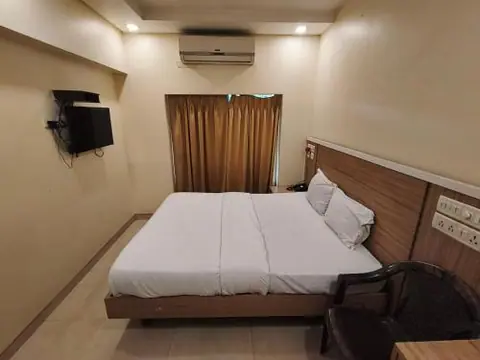
Panvel is a transit town rather than a leisure base, and the places to stay reflect that. Options cluster near the railway station, along the highway approaches, and in the newer Navi Mumbai developments a short drive away. For a night before an early flight or a train south, pick somewhere close to the station or the airport road and confirm the transfer time in advance, since traffic can be slow at peak hours.
Think about what the day needs. If the old town, the market and the temples are the plan, staying near the centre saves time. If Panvel is a base for the wider city, note that the island city's landmarks are around 30 km away, so outings take effort and the suburban railway is the practical link. Wherever you choose, confirm air conditioning, ask about airport transfers and read recent reviews rather than relying on star ratings.
Editorial review: 16 November 2026 · imptmumbai.in, written with AI assistance (see the editorial policy).