Start Early and Finish Late
Mumbai's heat peaks between roughly 11am and 4pm, so the classic mistake is to attempt Fort-area walking tours at noon. Begin at 7am with the Gateway of India and the Colaba Causeway before the stalls are fully open and the pavement is still in shade. Distances are small: the walk from the Gateway to the Chhatrapati Shivaji Maharaj Vastu Sangrahalaya takes about 20 minutes, and it is worth doing it early rather than at midday. Save evening for Marine Drive, where the sea breeze returns after 6pm.
The same logic applies across the harbour. If you want Sanjay Gandhi National Park or the Kanheri Caves near Borivali, be at the gate in the first hour the park opens, because the trail to the caves has almost no cover. The drive from Colaba to Borivali can take 75 to 105 minutes in morning traffic, longer afterwards, so an early start is not optional. Return to the hotel for lunch and a rest, then go out again after 5pm when the light softens.
Where to Be at 1pm
Air-conditioned interiors are your friends, and Mumbai has plenty worth two hours. The Chhatrapati Shivaji Maharaj Vastu Sangrahalaya in Kala Ghoda is the obvious choice; the Dr Bhau Daji Lad Museum in Byculla is quieter and sits inside the leafy Jijamata Udyan. Both close around 6pm and both are inexpensive. Alternatively, the National Gallery of Modern Art near Regal Circle is a short taxi from Colaba and rarely crowded on weekday afternoons. Book any museum visit into the middle of the day deliberately rather than as a fill-in.
If you are staying in Bandra or Khar, the middle of the day is better spent on a long lunch and a walk through air-conditioned shopping at Bandra Kurla Complex, or a film at a multiplex in Lower Parel or Andheri. Avoid the open-air terrace restaurants at 1pm in April and May, when temperatures regularly sit in the mid-thirties with high humidity. A hotel with a covered pool or a shaded courtyard makes a genuine difference to a family travelling with children.
Moving Around Without Cooking
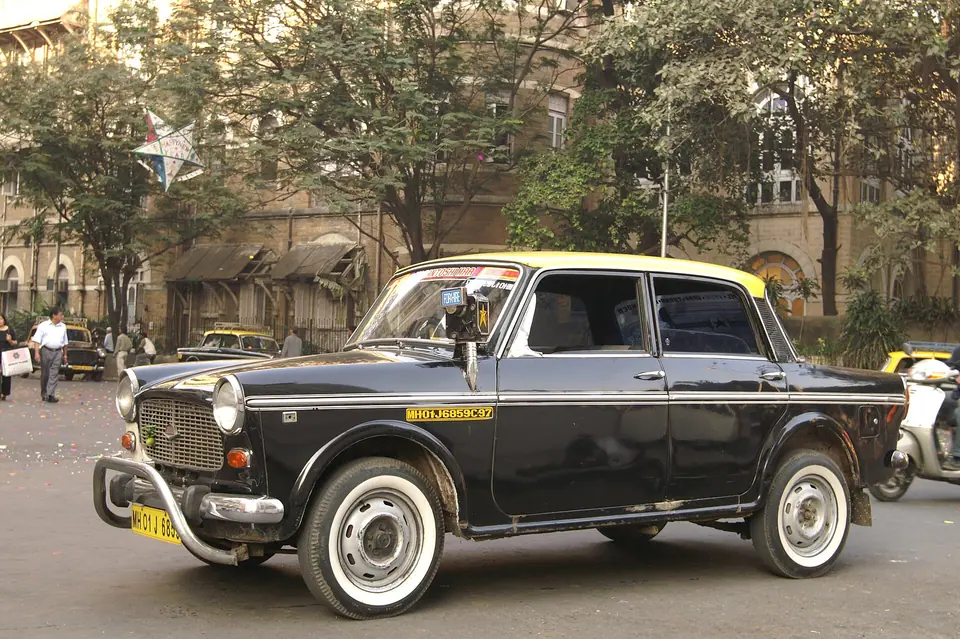
The suburban trains are fast and cheap but the non-air-conditioned carriages are punishing at midday; the air-conditioned first-class and the newer AC services are worth the small premium. Between Colaba, Fort and Nariman Point, ordinary metered taxis and app cabs are short hops of ten to fifteen minutes outside rush hour. Cross-town trips are the problem: Colaba to Bandra can take 45 to 70 minutes by road in the afternoon, so plan one side of the city per half-day rather than criss-crossing. The Coastal Road has shortened some of these runs but not at peak times.
Use the morning and evening for anything involving walking, markets or the waterfront, and use midday for transfers. If you are moving from south Mumbai to a hotel near the airport, do it between 11am and 3pm rather than at 6pm, when the Western Express Highway slows badly. Carry water, a hat and a light cotton layer; the jump between a hot street and a cold restaurant or train carriage is the thing most visitors underestimate, and a thin scarf helps.
Choosing Where to Sleep
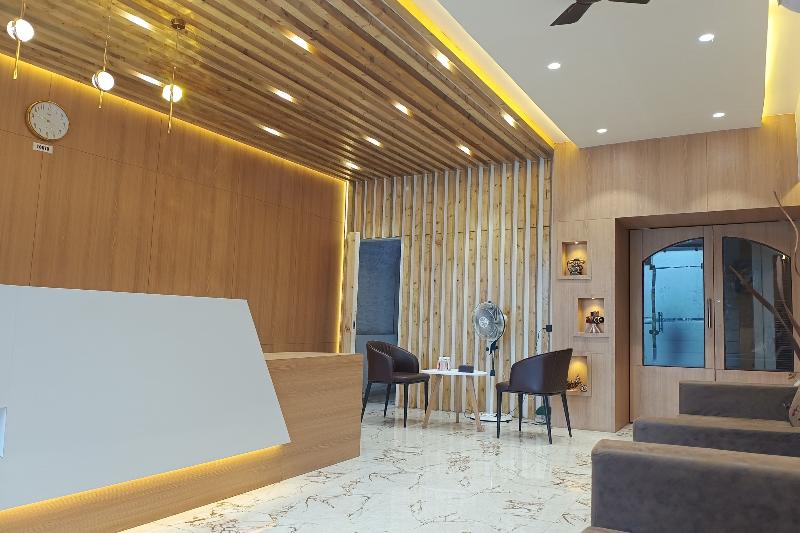
For a first trip, south Mumbai around Colaba, Fort and Kala Ghoda puts the Gateway, the museums and the heritage streets within walking distance of each other, and the sea breeze at Nariman Point is real. Rooms here span a wide band, from budget guesthouses to five-star properties facing the harbour, and booking a room with reliable air-conditioning matters more than a view in April and May. Bandra and Khar Suites suit travellers who want cafes and a shorter run to the airport; Lower Parel and Worli are better placed for business visits and for BKC.
June brings the monsoon and a different plan: rain rather than heat, and fewer exposed hours outdoors. October to February is the comfortable window, with daytime temperatures in the low thirties and low humidity, and that is when I would book a walking-heavy itinerary. Whatever the month, choose a hotel with a pool or a shaded terrace and confirm that the air-conditioning is not seasonal. A midday rest in your own room is the single most useful heat strategy, and it only works if the room is genuinely cool.
Editorial review: 18 November 2026 · imptmumbai.in, written with AI assistance (see the editorial policy).