What Each Neighbourhood Feels Like at Street Level
Colaba sits at the southern tip of the island, and the street plan still reads like the colonial port it was: wide arteries such as Mahatma Gandhi Road, side lanes of Art Deco and Victorian buildings, and the Gateway of India anchoring the eastern waterfront. The arts infrastructure here is institutional and densely packed — the Jehangir Art Gallery and the National Gallery of Modern Art, both off Kala Ghoda, the Regal Cinema circle, and the acoustically serious National Centre for the Performing Arts at Nariman Point, roughly a ten-minute cab ride south. You walk to almost everything, which is the whole point.
Bandra West is a different proposition entirely. The grid of lanes behind Hill Road and Waterfield Road is residential, low-rise and leafy, with Pali Hill and Bandstand running out toward the sea. The creative culture is contemporary rather than institutional: independent galleries and rehearsal rooms tucked into converted flats, gigs at venues around Carter Road, and the Bandra Fort amphitheatre above the causeway, where open-air performances run through the cooler months. A private taxi from Bandra to Colaba takes forty-five minutes to an hour in daylight traffic, and the suburban train from Bandra station to Churchgate, on the Western Line, runs about thirty-five minutes.
Costs, Comfort and the Commute
Room rates, not surprisingly, favour Bandra. Mid-range three-star hotels and boutique guesthouses around Hill Road and Linking Road generally sit a band below equivalent Colaba properties, where heritage buildings and the waterfront position carry a premium; expect the gap to widen sharply for sea-facing rooms. Colaba compensates with walkability — most trips to galleries, the Kala Ghoda precinct and evening performances at the NCPA cost nothing in transport — whereas a Bandra base means budgeting for regular private taxis or learning the Western Line fast.
Climate matters for both. October to February is the season to plan around: dry, warm by day and genuinely pleasant after dark, which is when most outdoor arts programming happens. March to May turns hot and humid, and June to September brings the monsoon, when Bandra's seafront becomes bracing but outdoor events largely stop and Colaba's covered venues earn their keep. If your trip centres on a fixed festival date, book the neighbourhood nearest the venue and treat the rest of the city as a day trip rather than fighting cross-town traffic twice daily.
The Practical Verdict on Where to Stay
For a first music and arts visit, I would book Colaba. The concentration of galleries, theatres and heritage architecture within a twenty-minute walk is unmatched, and the late-evening walk back from a performance is straightforward. Stay in the lanes between Kala Ghoda and the Gateway, or slightly north around Regal Cinema if you want quieter nights. Skip the rooms immediately facing the Gateway — the foot traffic and early tour buses make the premium hard to justify when the same building often has calmer rear-facing rooms.
Choose Bandra West if your interest is the current independent scene — small gigs, open studios, design shops on Pali Hill — or if you want to be near the airport, which is a twenty-to-thirty-minute drive via the Western Express Highway. Skipping Colaba entirely would be a mistake on a first trip, though. My compromise for a week-long stay: four nights in Colaba for the core programme, two or three in Bandra for what only happens north of the causeway, moving once rather than commuting daily.
Getting Around and Booking Sensibly
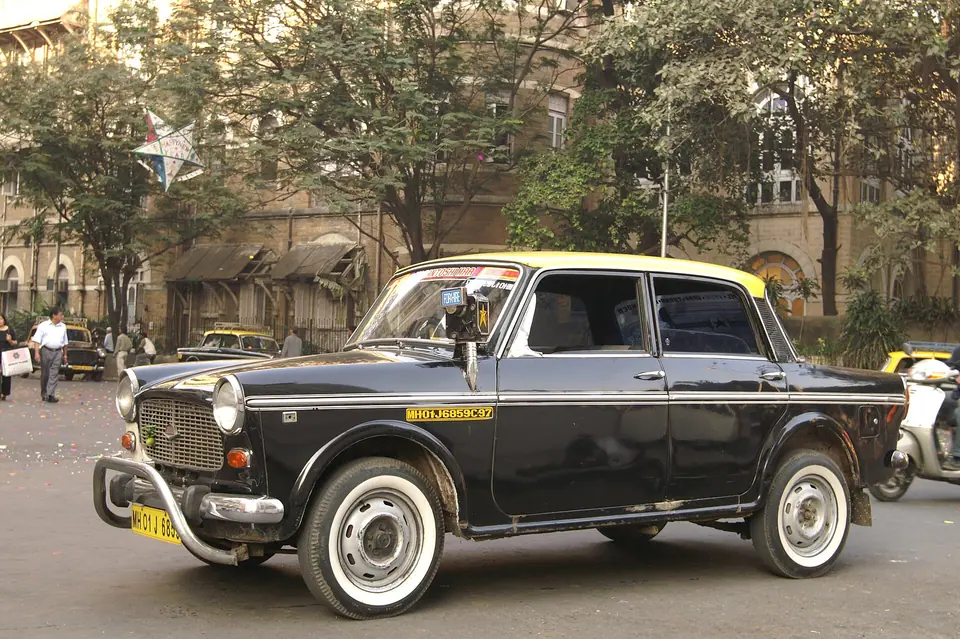
The two bases connect in several ways. Private taxis are the default for luggage and late nights; metered black-and-yellow cabs still operate but hail less reliably in Bandra than in the south. The Western Line from Bandra to Churchgate is the fastest daytime option, and the Bandra–Worli Sea Link shortens road trips to the business district. If you base in Bandra, keep venue addresses in mind when booking: anything in the Fort or Kala Ghoda area means a committed evening out rather than a stroll, so group those bookings on consecutive nights.
On booking mechanics, both areas reward early reservation for October to February, when demand from domestic travellers peaks; the monsoon months of June to August are the genuine low season and where the best value sits. Ask directly about late check-in if you have an evening performance, and confirm whether the property sits on a lane accessible to taxis — some Bandra lanes behind Hill Road are narrow enough to complicate drop-offs. Recent demand in both neighbourhoods has been quiet, so availability is currently good rather than scarce.
Editorial review: 18 November 2026 · imptmumbai.in, written with AI assistance (see the editorial policy).